
Nozawa Onsen — Where Mountain Life, Snow & Tradition Meet
The Story of Nozawa Onsen
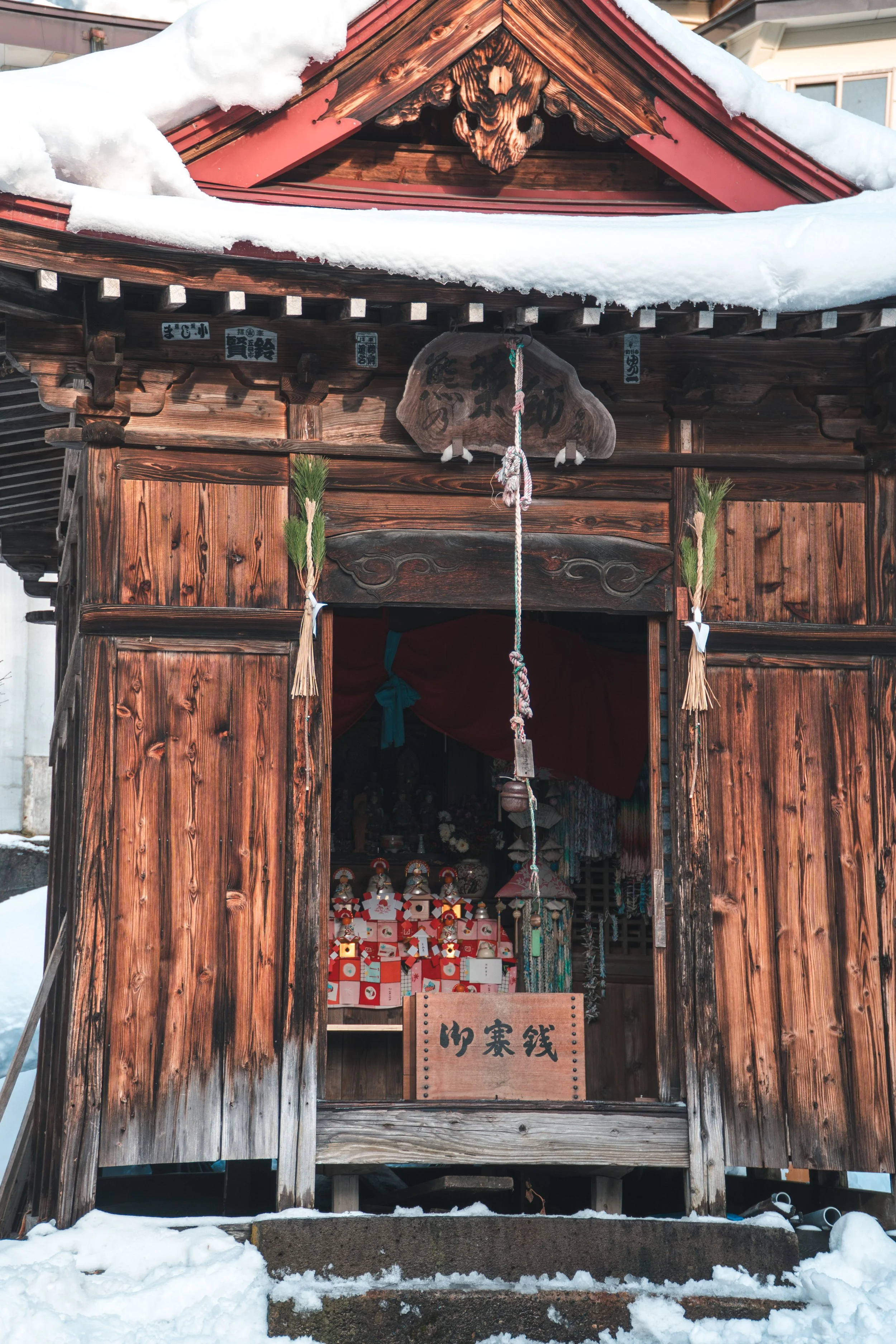
Nozawa Onsen is a rare kind of destination — a working mountain village where everyday life, centuries-old traditions, and world-class outdoor experiences exist side by side. Tucked into northern Nagano Prefecture at the base of Mt. Kenashi, the village stretches from just 300 metres above sea level to alpine terrain rising to 1,650 metres. Forests cover more than half of its 57.9 km² footprint, and part of the surrounding landscape is protected within Joshinetsu Kogen National Park. What visitors feel immediately, though, isn’t geography or statistics — it’s a sense that this is a place with deep roots and a strong rhythm of life.
Long before ski lifts and bullet trains, Nozawa was already known for its healing waters. First recorded in 1272 under the name Yuyama, the village had dozens of inns welcoming hot spring guests by the early Edo period. By the late 1800s, nearly 25,000 visitors were recorded over just five years — remarkable for a remote mountain settlement. Legends tell of monks, hunters, and even bears leading people to the original hot spring sources, but what matters most is that these waters have been cared for and shared by the community for generations. Today, thirteen public bathhouses — the famous soto-yu — remain at the heart of village life, free to enter and maintained by locals, inviting visitors to slow down and soak like a resident.
Winter: Snow, Skiing & Village Energy
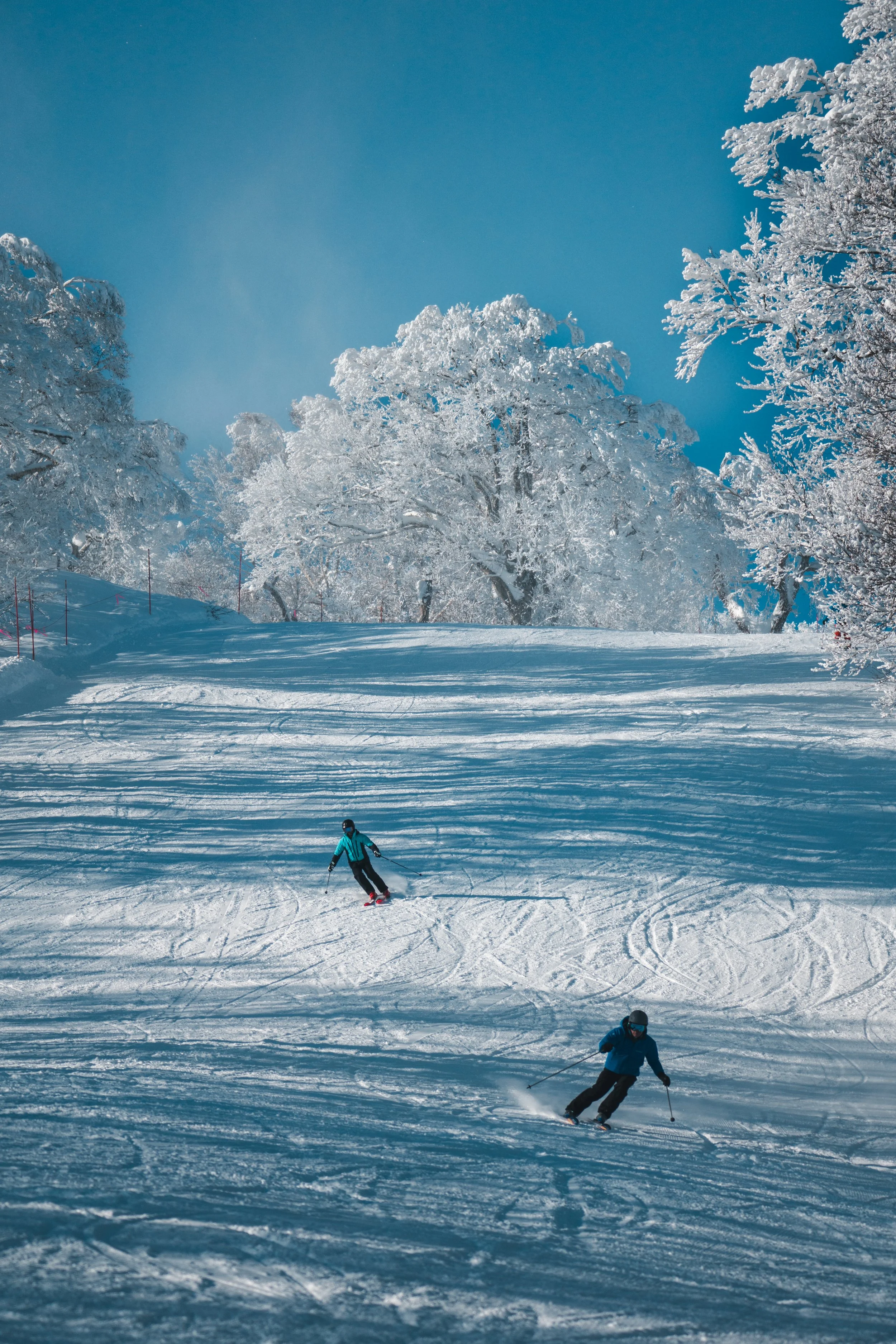
Winter is when Nozawa Onsen truly steps onto the world stage. Skiing has been part of village life here since 1897, and by 1918 locals had already formed one of Japan’s earliest ski clubs — laying the foundations for a snow town shaped organically by generations of skiers, rather than built overnight as a resort. That legacy is still felt today, both on the mountain and in the village streets below.
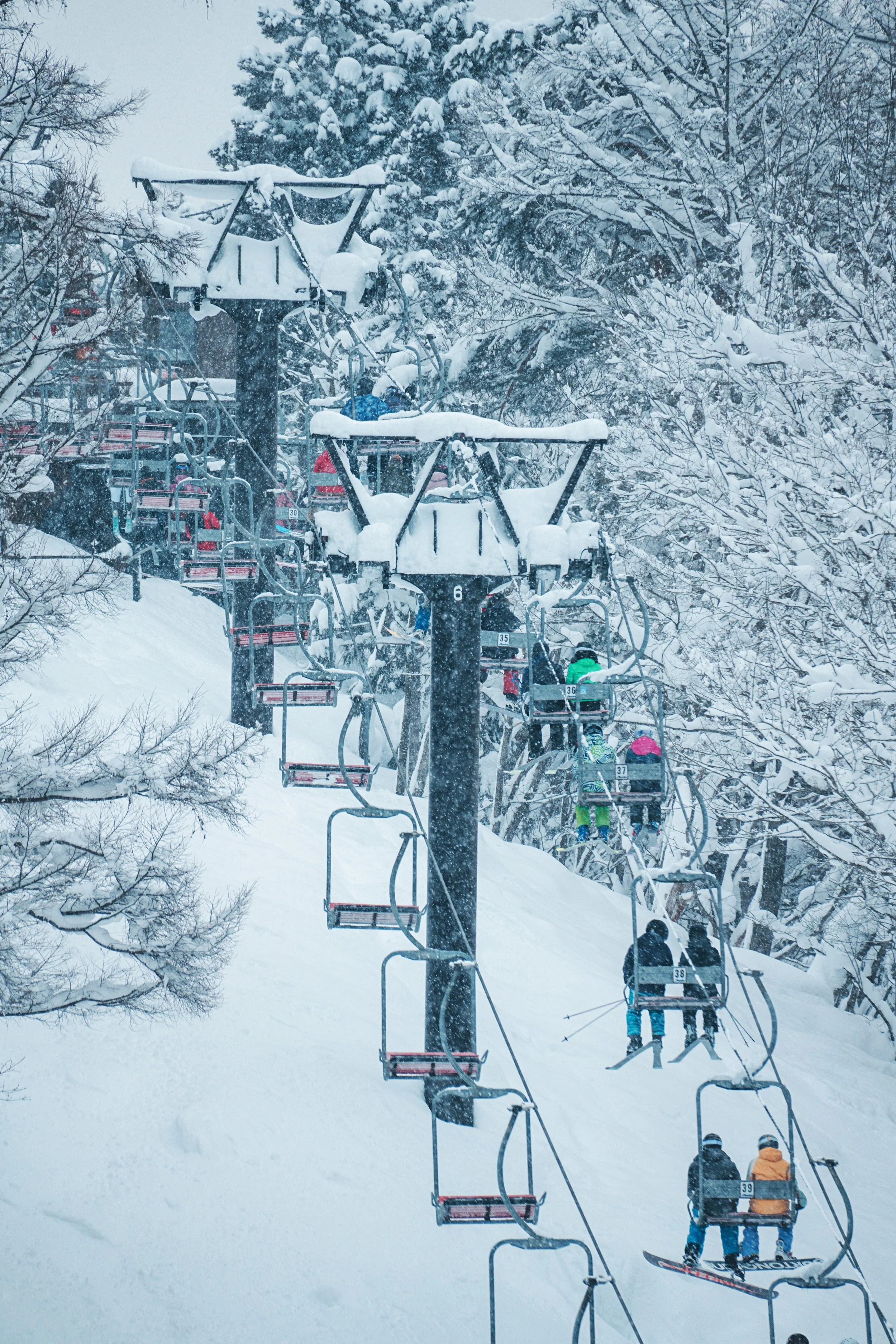
The ski area spans roughly 297 hectares with over 50 kilometres of marked runs, rising from gentle lower slopes to the summit of Mt. Kenashi at 1,650 metres. Terrain is thoughtfully balanced, offering something for every level and riding style. Wide, well-groomed pistes make progression intuitive, while natural terrain features along the mountain add variety and flow. For those with the experience and conditions to match, advanced off-piste terrain beyond the resort boundaries provides rewarding lines when explored with a local guide.
Nozawa Onsen’s Uenotaira Snow Park is one of the resort’s standout features, stretching over approximately 2 kilometres alongside the Uenotaira slope. Designed to be welcoming and progressive, the park offers a wide range of features — including kickers, boxes, rails, half pipes, waves, and creative terrain elements — carefully set across multiple lines to suit everyone from first-time park riders to experienced freestyle enthusiasts. The park is professionally maintained throughout the season by a dedicated park management team, ensuring consistent shape, flow, and safety. Easy access via both the Nagasaka and Hikage Gondolas, with a convenient return on the Uenotaira Four lift, makes it simple to lap the park and spend a full day riding at your own pace.
Snow reliability is one of Nozawa’s defining strengths. Consistent winter storms, cold temperatures at elevation, and a well-managed mountain mean conditions remain strong well beyond mid-season. The ski area typically operates into late April and early May, making it one of the longer-running resorts in Japan. On many days, skiers enjoy soft snow on upper slopes while the village below begins to hint at spring — a contrast that’s uniquely Nozawa.
What keeps people returning year after year isn’t just the skiing itself, but the rhythm that surrounds it: early starts, long powder laps, late lunches, and evenings spent soaking in natural hot springs just a short walk from the lifts. Instead of feeling disconnected from its surroundings, the ski resort flows naturally into village life — where snow sports, hot springs, food, and community all share the same centre of gravity.
Green Season: Adventures Beyond the Snow
When the snow melts, Nozawa Onsen reveals a quieter, more relaxed pace of life. Trails wind through forests and along mountain ridgelines, while quiet roads and mountain paths create ideal conditions for cycling, mountain biking, hiking, and a wide range of outdoor pursuits beyond winter.
With a gentler flow of visitors than winter, green season invites a slower, more immersive experience of Nozawa — one where time stretches, plans stay flexible, and village life takes centre stage. Stays are easier to arrange, costs are more accessible, and the overall pace feels calm and refreshingly unhurried.
From spring through autumn, Nozawa’s everyday culture comes into focus. Farming shapes the landscape and local cuisine, seasonal ingredients define what’s on the table, and village festivals bring the community together in a more intimate way — from the Lake Fire Festival in August to the Autumn Festival in September.
This is also the perfect time to explore beyond the village, using Nozawa as a base to discover Northern Nagano, historic towns, sake and wine regions, or even the Japan Sea coast. Add wellness experiences, traditional crafts, food-focused activities, cherry blossom viewing in spring, and easy access to the Snow Monkey Park, and green season becomes an active, rewarding, and wonderful way to experience Nozawa.
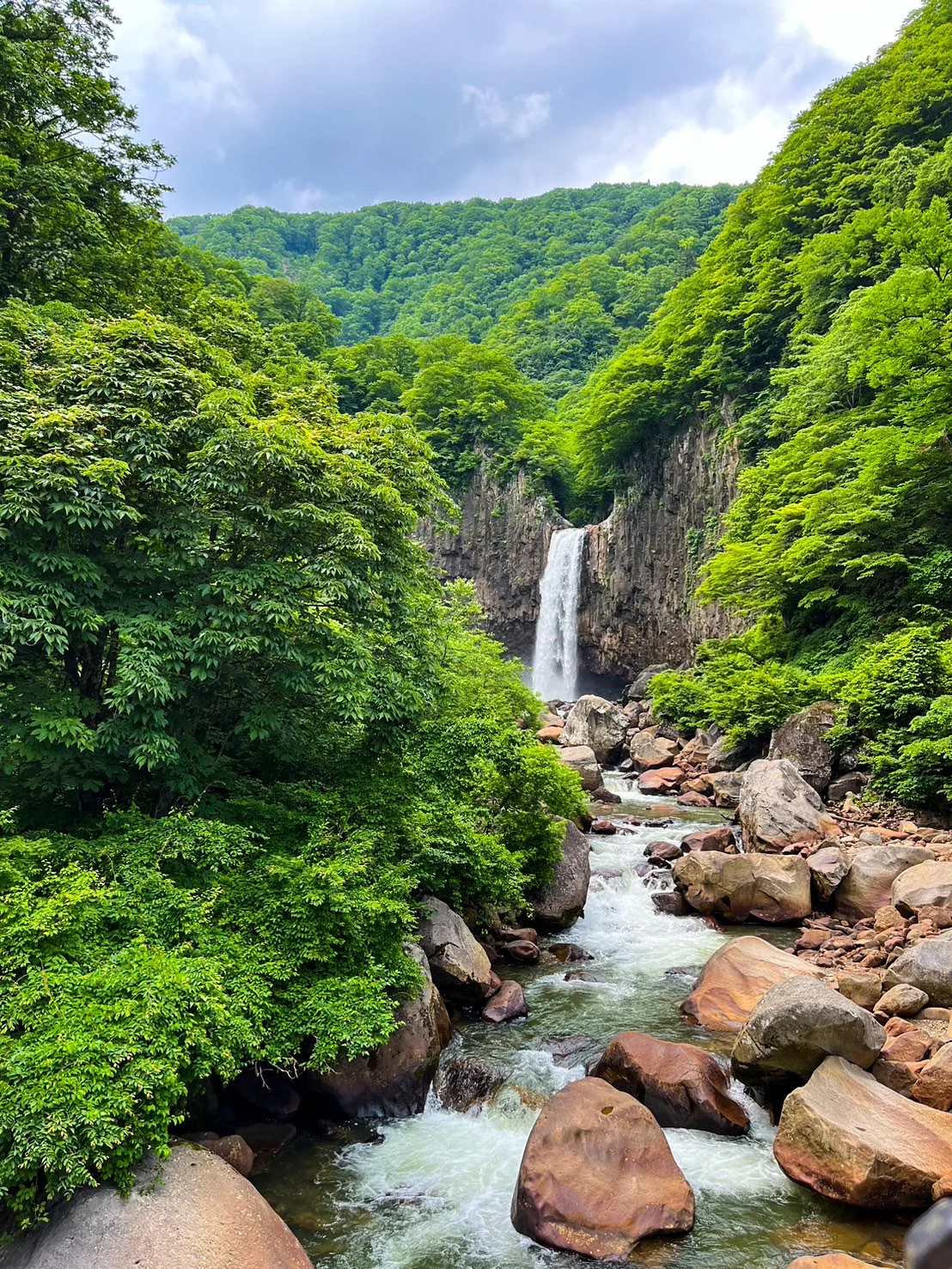
Naena Falls sits right on the border between Niigata Prefecture and Nagano Prefecture